When heading into the great outdoors, keeping your devices powered can make the difference between a smooth adventure and a frustrating experience. Campers often face the dilemma of whether to rely on camping solar panels or portable power banks. Each option has its advantages and limitations, depending on your trip length, activities, and power needs. Understanding these differences can help you make the best choice for your next camping trip. In this guide, we will break down how camping solar panels and power banks work, compare their pros and cons, and explore scenarios where each option shines. By the end, you will know which solution fits your outdoor lifestyle and how to maximize your device charging reliability.
What Are Camping Solar Panels and How Do They Work?
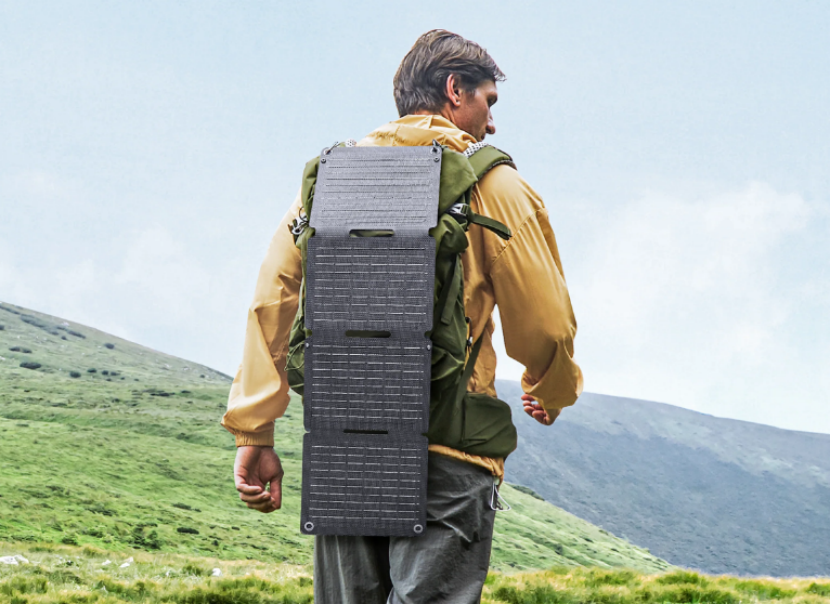
Camping solar panels are portable solar devices that convert sunlight into electricity. They usually come with USB or DC output ports to charge devices like phones, cameras, and small appliances. The panels rely on photovoltaic cells to capture sunlight and convert it into usable energy, which can be stored in an internal battery or directly power a device.
Types of Camping Solar Panels
Foldable Solar Panels: Lightweight and compact, these panels fold into a small size for easy transport. They are ideal for backpacking. Rigid solar panels are typically heavier, but more durable and efficient. They are better for car camping or base camps. Solar blankets are flexible, thin panels that can be placed over backpacks or tents. They are highly portable but may produce less power in low sunlight.
Benefits of Using Solar Panels Outdoors
Unlimited Energy from the Sun: As long as there’s sunlight, you can charge devices without relying on a power outlet. Solar panels provide clean energy with no emissions. Unlike disposable batteries or frequent power bank replacements, solar panels last many years with proper care. Many panels include multiple ports for USB devices and can charge external batteries directly.
What Are Power Banks and Why Are They Popular for Camping?
Power banks are portable batteries that store electricity and allow you to charge devices on the go. They are widely used for outdoor activities because they provide instant power without relying on sunlight. Modern power banks vary in capacity, from small pocket-sized units to large, high-capacity models capable of charging laptops or multiple devices simultaneously.
Types of Power Banks for Outdoor Use
Standard Power Banks: Compact, lightweight, and perfect for charging phones and small devices. High-capacity power banks are larger units with more battery storage, capable of charging multiple devices or larger electronics. Rugged/outdoor power banks are water-resistant, shockproof, and designed to survive harsh conditions.
Benefits of Carrying a Power Bank While Camping
Power banks offer several advantages for camping. They allow immediate charging, so you don’t have to wait for sunlight and can power your devices anytime. They are compact and lightweight, making them easy to carry in backpacks without adding significant weight. Power banks are reliable in any weather, functioning even during rain, clouds, or at night. Additionally, many high-capacity units can charge multiple devices at once, keeping all your gadgets powered throughout your trip.
Camping Solar Panels vs Power Banks: Key Differences
While both camping solar panels and power banks provide portable power, their differences can determine which is better for your trip.
Portability and Weight Comparison
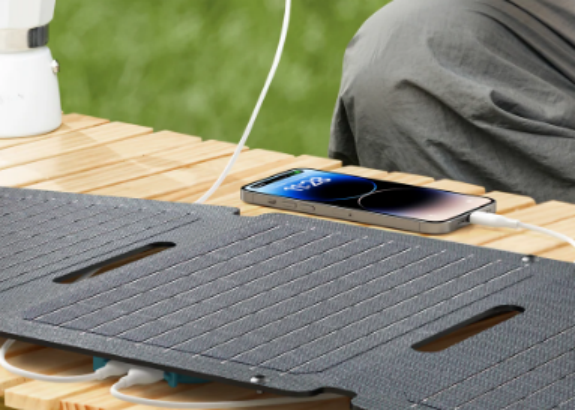
Power banks are generally smaller and lighter than solar panels, making them easier to carry during hiking or backpacking trips. Solar panels can be larger, especially rigid panels, and may require a dedicated backpack space. Foldable solar panels improve portability, but they are still bulkier than most compact power banks.
Charging Speed and Efficiency
Power banks deliver consistent and predictable charging speed. Solar panels, however, depend on sunlight intensity. Cloudy days or shaded areas can reduce output, making charging slower or unreliable at times. Combining solar panels with a rechargeable battery can mitigate this issue.
Cost Considerations and Longevity
Initial costs for solar panels are usually higher than standard power banks. However, solar panels offer long-term benefits with minimal maintenance, whereas power banks may degrade over time and require replacement after hundreds of charge cycles. Solar panels provide a sustainable solution if you frequently camp outdoors.
Which Option Is Better for Your Outdoor Adventure?
Choosing between camping solar panels and power banks depends on your specific needs.
Choosing Based on Trip Length and Activities
For short trips or weekend camping, a power bank is often sufficient, providing reliable, immediate power. However, for extended trips or remote areas, camping solar panels are ideal, as they provide continuous charging over several days without access to electricity. You should also consider the type and number of devices you carry—high-capacity devices like cameras or GPS units may benefit from using solar panels paired with a battery bank for maximum reliability.
Combining Solar Panels and Power Banks for Maximum Reliability
Many experienced campers use both. Solar panels recharge a power bank during the day, and the power bank provides instant power at night or during cloudy conditions. This combination ensures that you are never left without energy while minimizing the load you carry.
Conclusion
Both camping solar panels and power banks have a place in outdoor adventures. Power banks are convenient, compact, and reliable for short trips or quick charges. Camping solar panels provide sustainable, unlimited energy for longer trips, especially in remote locations. For maximum efficiency, consider combining both: use solar panels to recharge a power bank during the day, then rely on the power bank to charge devices as needed. By understanding your power needs, trip duration, and device types, you can select the best solution for your camping adventure. Staying powered ensures safety, connectivity, and convenience, allowing you to fully enjoy the outdoors without worrying about dead batteries.