Electricity powers homes, offices, and devices through the combined forces of amps, volts, and watts. Understanding the differences—often explained as ampere vs watts vs volts—is crucial for safe and efficient energy use. Amps measure electric current flow, volts indicate electrical potential, and watts calculate power consumption. Knowing how they work together helps in choosing appliances and managing energy costs. Whether you’re setting up a new gadget or thinking of reducing your electric bill, grasping these basics equips you with valuable, practical knowledge. Proper understanding also enhances safety by preventing overloads and ensuring devices function optimally. With this knowledge, you’re more likely to make informed choices around all things electrical, from charging phones to powering homes.

Understanding the Basics of Electrical Power
What Are Volts and How Voltage Drives Electricity
Voltage, measured in volts (V), serves as the force behind electricity, pushing current through a circuit. Imagine it as the pressure in a water system—the higher the voltage, the stronger the push. Voltage’s primary role in electricity is establishing potential differences that drive current flow. Electrical devices often require specific voltages to operate efficiently; deviation from these levels can lead to inefficiency or damage. Household outlets typically supply 120 or 240 volts, depending on your location. Adapters transform high-voltage power from outlets to suit the lower voltage needs of your devices. When considering safety, voltage is a critical factor, as higher voltages carry a greater risk of danger, emphasizing the need for respect and careful handling. Understanding voltage aids in selecting the appropriate power sources and devices, thus ensuring safety and efficiency.
What Are Amps and How Current Flows in a Circuit
Amperage, measured in amps (A), reflects the amount of electrical charge passing through a circuit. Think of it as the flow of water in a pipe—the higher the amps, the more electricity flows. Amperage is crucial for assessing a circuit’s capacity, as exceeding this can lead to overheating and potential hazards. Fuses and circuit breakers exist to prevent such occurrences by interrupting the flow when necessary. Within circuits, electrical devices demand varying amperages, and understanding this helps in choosing the right components and wiring. Portable chargers often highlight their amperage capacity to indicate charging speed, so users can optimize device performance. Misjudging amperage needs can result in slow or improper charging, not to mention potential damage. Thus, knowing how amps work allows for better resource management and enhances safety measures.
How Amps, Volts, and Watts Interact in Real Life
What Are Watts and How Power Is Calculated (Based on Watts-to-Amps Basics)
Power, calculated in watts (W), is the product of volts times amps, representing the total energy consumed by a device. It answers the critical question—how much electricity does a device use? This formula: Watts = Volts x Amps, simplifies understanding energy consumption. For instance, a light bulb rated at 60 watts running on 120 volts uses 0.5 amps. Knowing wattage helps manage electrical expenses, as higher-watt devices generally consume more power, impacting your energy bill. Efficiency ratings also highlight this; devices using lower watts for the same function save money over time. Power strips illustrate wattage maximums to prevent overloading, ensuring safe and optimal setups. Comprehending watts aids in energy budgeting and choice of appliances, emphasizing both economic and effective electricity usage.
The Relationship Formula Explained With Everyday Examples
In practice, the Voltage x Amperage = Wattage formula guides energy use at home. Consider household appliances—a toaster consumes about 1200 watts, implying it uses 10 amps on a 120-volt line. This understanding clarifies why some devices can’t operate together on the same outlet without tripping the circuit. Another example is phone charging; knowing a charger outputs 5 volts and 2 amps reveals it delivers 10 watts of power, aligning with your phone’s specs for fast charging. By interpreting the relationship between volts, amps, and watts, one gauges the electrical demands and aligns them with safe outlet usage. Miscalculating can lead to frequent disruptions or unsafe conditions. Hence, grasping these interactions ensures optimal, safe, and economical energy use.
Practical Applications and Smart Energy Use
Using Amps, Volts, and Watts to Choose the Right Devices (Including Portable Power Stations)
Choosing devices involves matching their energy specifications with electricity supply conditions. Devices and appliances display volt, amp, and watt ratings, aiding informed purchasing decisions. For instance, a portable power station should meet the wattage and amperage demands of intended electronics, aligning power availability with user needs. Mismatched energy needs lead to inefficiency and potential harm. When powering a fridge through a generator, ensure it meets both wattage and startup amperage requirements for safe operation. Portable chargers emphasize amps to signal charging speed, aiding in selection based on user priorities—speed versus energy conservation. By understanding device needs and outlet capabilities, one ensures maximum performance and safety, underscoring the value of informed energy decisions.
How Energy Brands Like Anker SOLIX Apply These Principles in Power Solutions
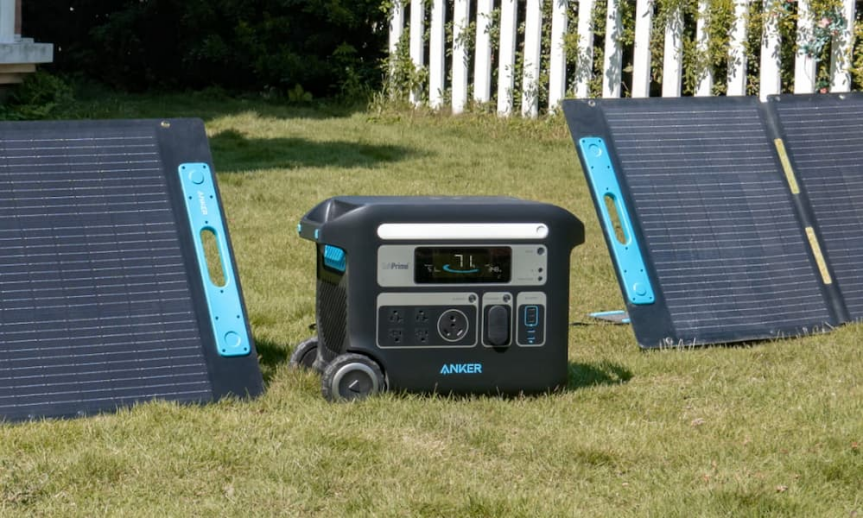
Energy brands like Anker SOLIX leverage volts, amps, and watts in their design, ensuring efficiency and safety in their products. Anker SOLIX designs power banks and chargers by optimizing amperage for fast charging while balancing voltage to protect devices. These products often include multiple output settings, accommodating varied device needs from laptops to smartphones. By using smart charging technology, such devices adjust amperage automatically, maintaining efficient and safe performance. Anker SOLIX portable power stations indicate clear wattage capacity limits, empowering consumers to manage energy resources effectively. Through understanding these principles, brands provide reliable solutions that meet modern power demands safely. Carefully crafted products embody these core electrical concepts, streamlining consumer interactions with energy technology.
Conclusion
Understanding electricity’s core components—amps, volts, and watts—empowers effective, safe, and economical use of devices and appliances. Equipped with a grasp of voltage pushing current, amperage reflecting flow, and watts indicating power use, one makes informed energy choices daily. Proper appliance selection, efficient energy management, and safety depend on comprehending these terms and their interactions. By applying these insights, households can ensure reliable device performance while optimizing energy expenditures. These concepts also provide clarity when evaluating energy solutions from brands like Anker SOLIX. Overall, knowledge of these fundamentals enhances modern living, ensuring power is harnessed intelligently, safely, and sustainably.