Portable solar powered generators provide a sustainable and efficient way to harness energy, making them essential in both residential and outdoor settings. Unlike traditional fuel-based generators, they offer an eco-friendly alternative that leverages renewable solar power. These devices are equipped with advanced features like large battery capacities, adaptable solar inputs, and user-friendly controls. To make the most out of your investment, knowing what to look for is crucial. From battery types to smart control systems, this blog covers vital aspects to help you choose the right generator for your needs. Dive into the features that set top-tier generators apart, such as the Anker SOLIX F3000, which offers advanced functionality and robust performance tailored for various energy demands.
Core Power and Battery Features That Matter Most
Battery Capacity, Chemistry, and Lifespan
Battery capacity is a critical feature, determining how much energy your generator can store and deliver. High-capacity generators ensure longer runtime, powering essential devices during outages or outdoor activities. The chemistry of the battery—whether lithium-ion or lead-acid—impacts its efficiency, weight, and lifespan. Lithium-ion batteries, typically found in premium models, offer higher energy density and longer life cycles, making them a preferred choice. Lifespan is also a consideration; robust designs provide thousands of charge cycles, enhancing the generator’s viability over time. By selecting the right battery features, users align their energy needs with optimal performance and reliability.
Output Power, Inverter Type, and Supported Devices
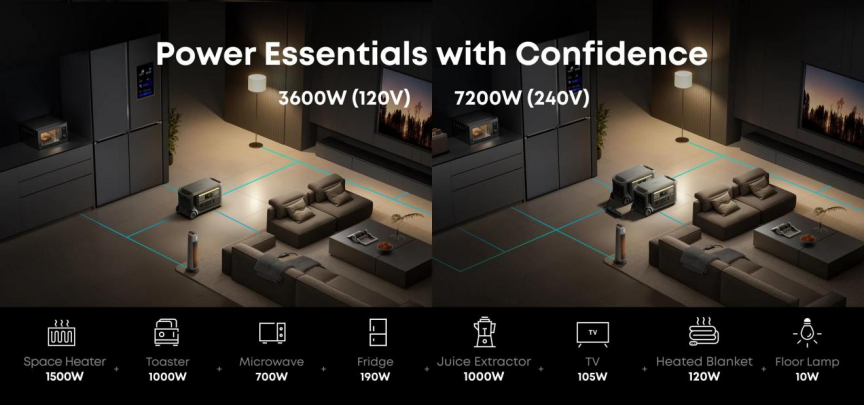
Output power dictates the range and type of devices the generator can support. Check the wattage rating to ensure it matches your power requirements, especially for high-demand appliances. Inverter types—pure sine wave versus modified sine wave—affect how well the power is converted, impacting device compatibility and performance. Pure sine wave inverters emulate grid power quality, supporting sensitive electronics without issue. Popular models, like the Anker SOLIX F3000, offer impressive output power, powering standard 120V devices, and can pair units for 240V needs. Choosing a generator with appropriate wattage and inverter type ensures it meets diverse energy demands safely and efficiently.
Solar Charging and Portability Features for Real-World Use
Solar Input, Panel Compatibility, and Charging Speed
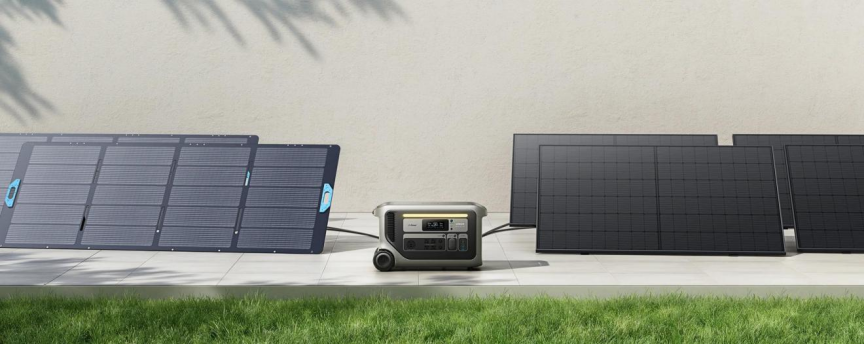
Solar input and charging speed are pivotal for maximizing the efficiency of portable solar generators. Models like the Anker SOLIX F3000 support dual solar charging, accommodating up to 2,400W input, allowing you to fully charge in under two hours under optimal conditions. Compatibility with various solar panels enhances flexibility and ease of use. The faster a generator can convert sun power into electricity, the more effectively it meets your energy needs, especially in emergency situations. Prioritizing high solar input and fast charging models ensures reliable and rapid energy replenishment, crucial for uninterrupted power supply.
Size, Weight, Port Design, and Portability Enhancements
The portability of a solar generator is essential for convenience and ease of use. Compact size and lightweight designs enhance maneuverability, making them ideal for outdoor and mobile applications. Evaluate the port design; accessible and varied ports ensure that multiple devices can be connected simultaneously. Portability is further enhanced by sturdy handles or wheels, making transportation effortless. Model-specific features, like those found in the Anker SOLIX F3000, incorporate efficient port designs and portability features without compromising on power capability. Selecting a generator with these attributes makes it versatile for home and away needs.
Smart, Safety, and Product-Specific Features to Compare
Safety Systems, Thermal Control, and Durability Standards
Safety and durability are crucial factors in a portable solar generator. Quality models incorporate advanced safety systems to prevent overcharging, overheating, and short circuits. Thermal control features ensure stable operation, maintaining optimal temperatures during prolonged use. Look for units that meet rigorous durability standards, ensuring they withstand harsh environmental conditions. These aspects not only protect the generator itself but also enhance user safety. When evaluating options, choose models that prioritize safety with comprehensive thermal management and robust construction, delivering peace of mind alongside reliable performance.
Smart Controls, Expandability, and Brand Examples Like Anker SOLIX
Smart features and expandability set top-tier generators apart. Smart controls offer real-time monitoring and management of energy usage through intuitive apps or interfaces. Expandability features, such as linking units for increased capacity, provide flexibility for growing power needs. The Anker SOLIX F3000 exemplifies this with capabilities like pass-through charging and smart energy optimization. Incorporating these features allows users to maximize efficiency and adapt to changing energy requirements seamlessly. Choosing a generator that integrates these smart, expandable features ensures it remains a valuable, scalable asset.
Conclusion
Selecting a portable solar powered generator involves examining various features, from battery capacity to smart controls. Understanding these aspects ensures the choice of a device that meets specific energy needs efficiently. Models like the Anker SOLIX F3000 offer advanced capabilities, from fast charging to comprehensive safety features, making them exemplary choices. By focusing on core power, solar input, portability, and smart technology, users can invest in a solution that delivers sustainable, reliable, and robust power, whether at home or in the great outdoors. Prioritize these features to ensure a dependable and versatile energy source.